Seaweed Industry Contribution to the Blue Bioeconomy
2 October | Las Palmas de Gran Canaria | Casa África
The I3-4-SEAWEED FORUM, held on 2 October at Casa África in Las Palmas de Gran Canaria, brought together experts, researchers, and industry leaders to explore how the seaweed sector can contribute to Europe’s blue bioeconomy.
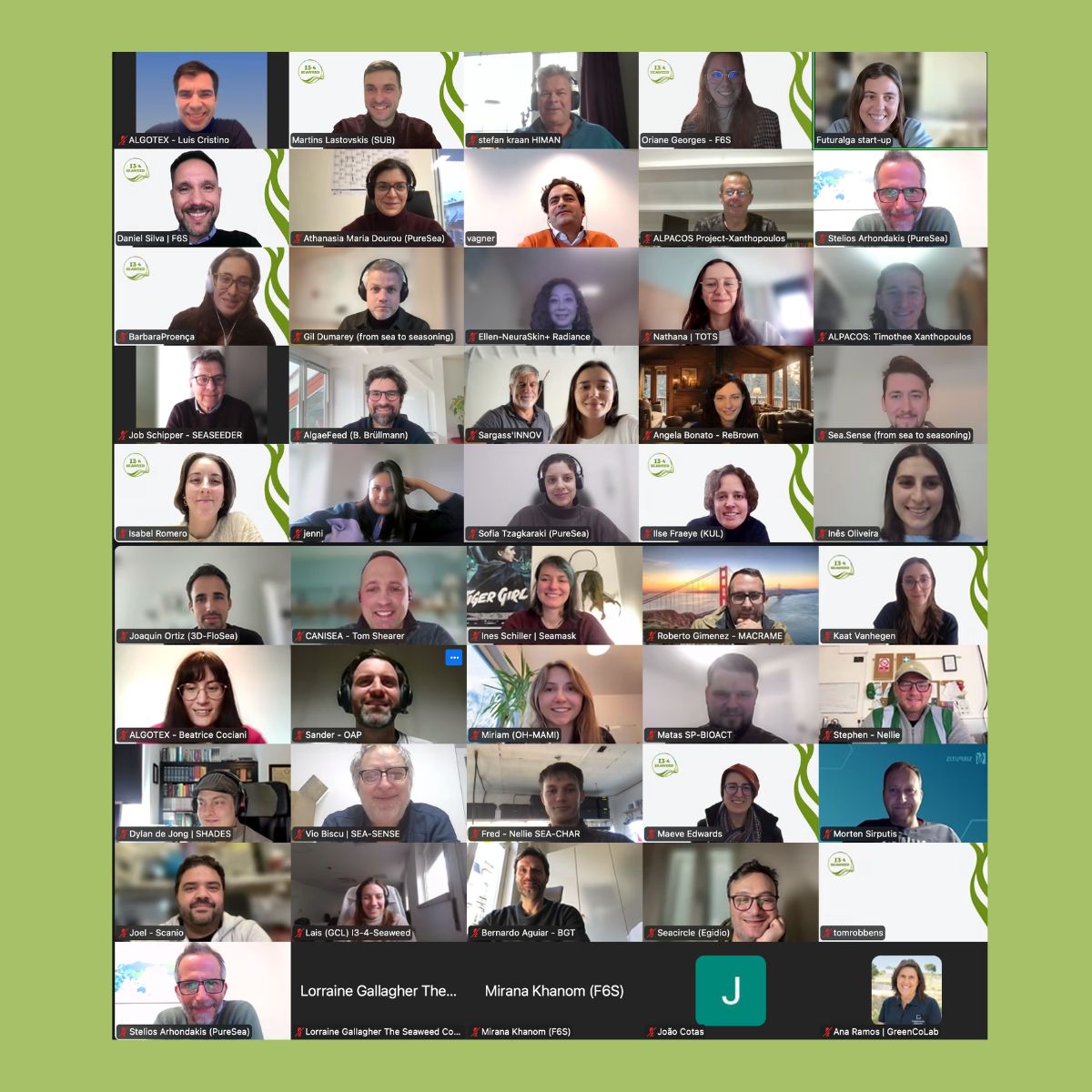
The forum brought together over 50 on-site participants and reached an online audience of more than 200 viewers.
The event opened with warm welcome messages from Luis Serra Majem (Rector, ULPGC), Miguel Hidalgo (Consejero Sector Primario y Seguridad Alimentaria, Cabildo de Gran Canaria), and José Segura Clavel (Director General, Casa África), setting the stage for a full day of collaboration and insight.
Seaweed Industry in Europe: The Nordic Experience
The first session focused on “Seaweeds Industry in Europe: Case of the Nordic Countries,” presented by Celine Rebours (Møreforsking AS). Her talk highlighted the established practices and sustainable approaches in Nordic seaweed industries—offering valuable lessons for European regions looking to grow their own capabilities.
Interregional Stakeholders Forum: The Seaweed Sector in the Canary Islands
This session showcased local innovations and opportunities within the Canary Islands. Presentations by Flavio Guidi (Instituto Tecnológico de Canarias), Juan Gómez Pinchetti (Banco Español de Algas), and Dr. Joaquín Ortiz Cortés (Macrocarbon) emphasized ongoing research, pilot projects, and the region’s growing potential as a hub for marine biotechnology.
The discussion reflected a vibrant local ecosystem with “a lot going and coming” in terms of initiatives and collaborations.
Collaborative Session: Cultivating Success within the Seaweed Industry
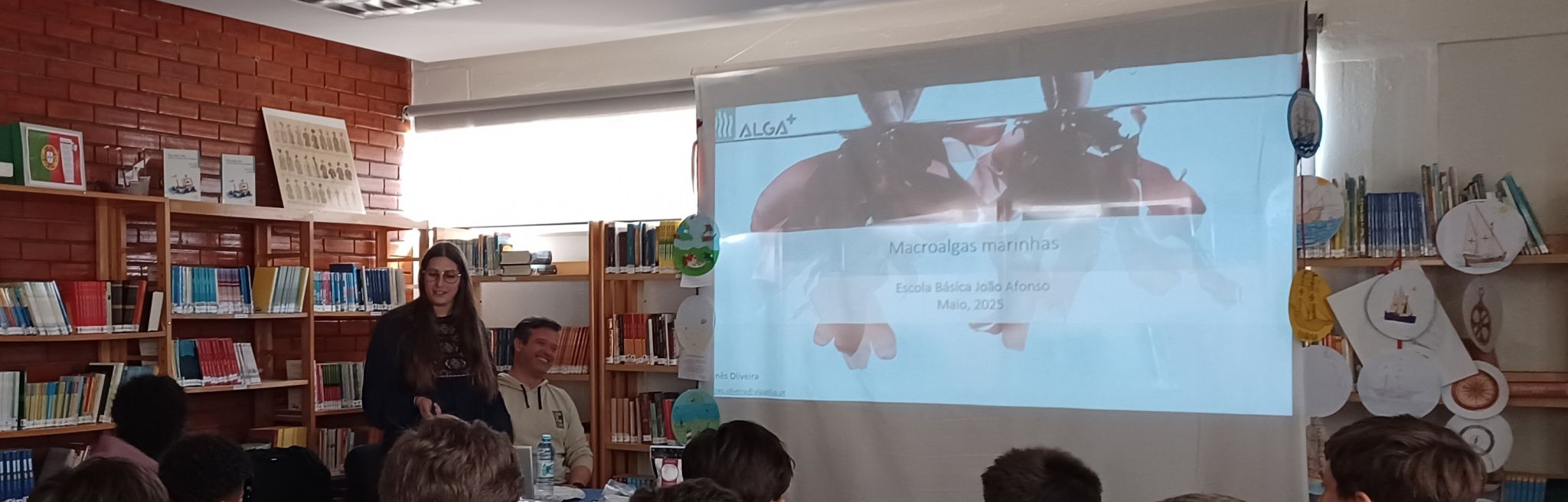
Lorraine Gallagher (The Seaweed Company), Maeve Edwards (Irish Seaweed Consultancy), and Ines Oliveira (ALGAplus) led a dynamic session on best practices and collaborative models in seaweed cultivation.
Through open interaction with the audience, the session highlighted the need for a step-by-step approach – combining innovation, sustainability, and business pragmatism to drive the industry forward.
Blue Economy Funding Pathways
Funding opportunities were a major focus, with presentations by Vagner Morais (BGT Consulting Group), Oriane Georges (F6S Tech), and Luis Lombana (Ficosterra).
They shared insights on European financial instruments, strategic partnerships, and ways to effectively leverage available funding programs for sustainable blue growth.
Establishing a Legal Framework for Seaweed Cultivation
Speakers Alejandro Báez (Cabildo de Gran Canaria), Javier Franco Hormiga (Agencia Canaria de Investigación), and Eduardo Portillo Hannfiedl (Instituto Tecnológico de Canarias) discussed regulatory challenges and opportunities.
They emphasized that creating a coherent legal framework is a crucial step toward scaling up seaweed cultivation across Europe.
Scaling Blue Innovation: I3 Funding Opportunities
Jessica Knoop (NIOZ Royal Netherlands Institute for Sea Research) and Ilse Fraeye (KU Leuven) explored strategies for transferring knowledge into practical innovation under the I3 program.
In a follow-up session, Caterina Verde (European Innovation Council and SMEs Executive Agency, EISMEA) provided a deep dive into I3 Funding Opportunities – guiding participants on how to maximize these mechanisms to strengthen interregional value chains.
Closing Session
The forum concluded with closing remarks from Rafael Robaina Romero (Universidad de Las Palmas de Gran Canaria, ULPGC) and Daniel Silva (F6S Tech), who expressed appreciation for the active participation and collaborative spirit throughout the event.
A special thanks was extended to the moderators: Rafael Robaina, Martins Lastovskis, Daniel Silva, and Kaat Vanhegen for their excellent guidance throughout the sessions.
In Summary
The I3-4-SEAWEED FORUM highlighted the growing momentum of the European seaweed industry as a cornerstone of the blue bioeconomy. Through shared experiences, cross-regional collaboration, and practical insights into funding and policy, the forum marked a step forward toward a more sustainable and innovative ocean-based economy.